HFF/BPS Winter Webinar Series (members only)

February 18, 2023 – 10:00am (PST), 6:00pm (GMT)
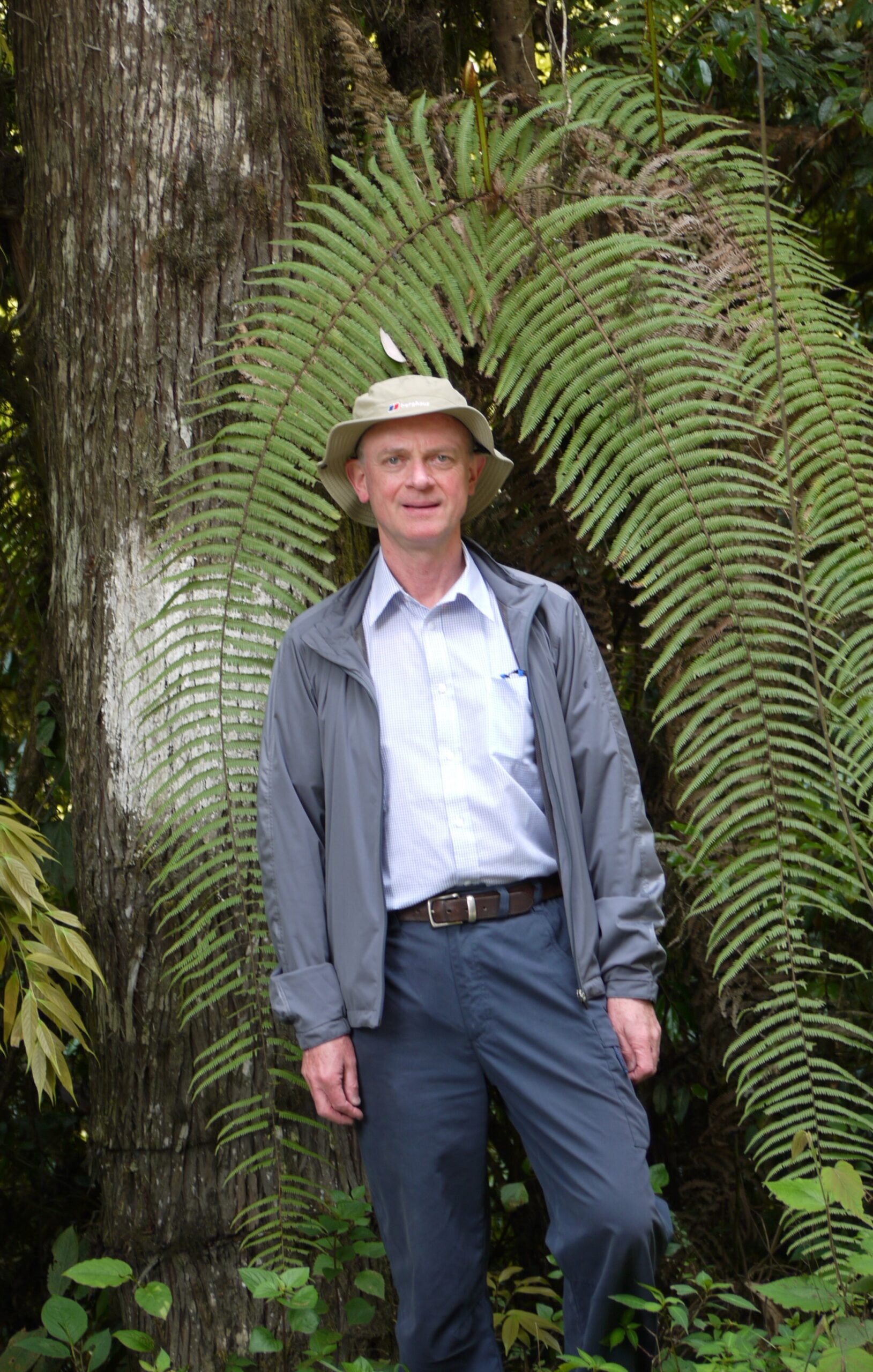
About this time of year, every year, we’re all wishing we were somewhere a little warmer, maybe a little sunnier. If you don’t have any travel plans this winter; come along and live vicariously through Peter Blake as he takes us on his travels south of the equator to the island country of Sri Lanka. Below are some words from our speaker; hopefully they entice you into registering and taking a trip with all of us.
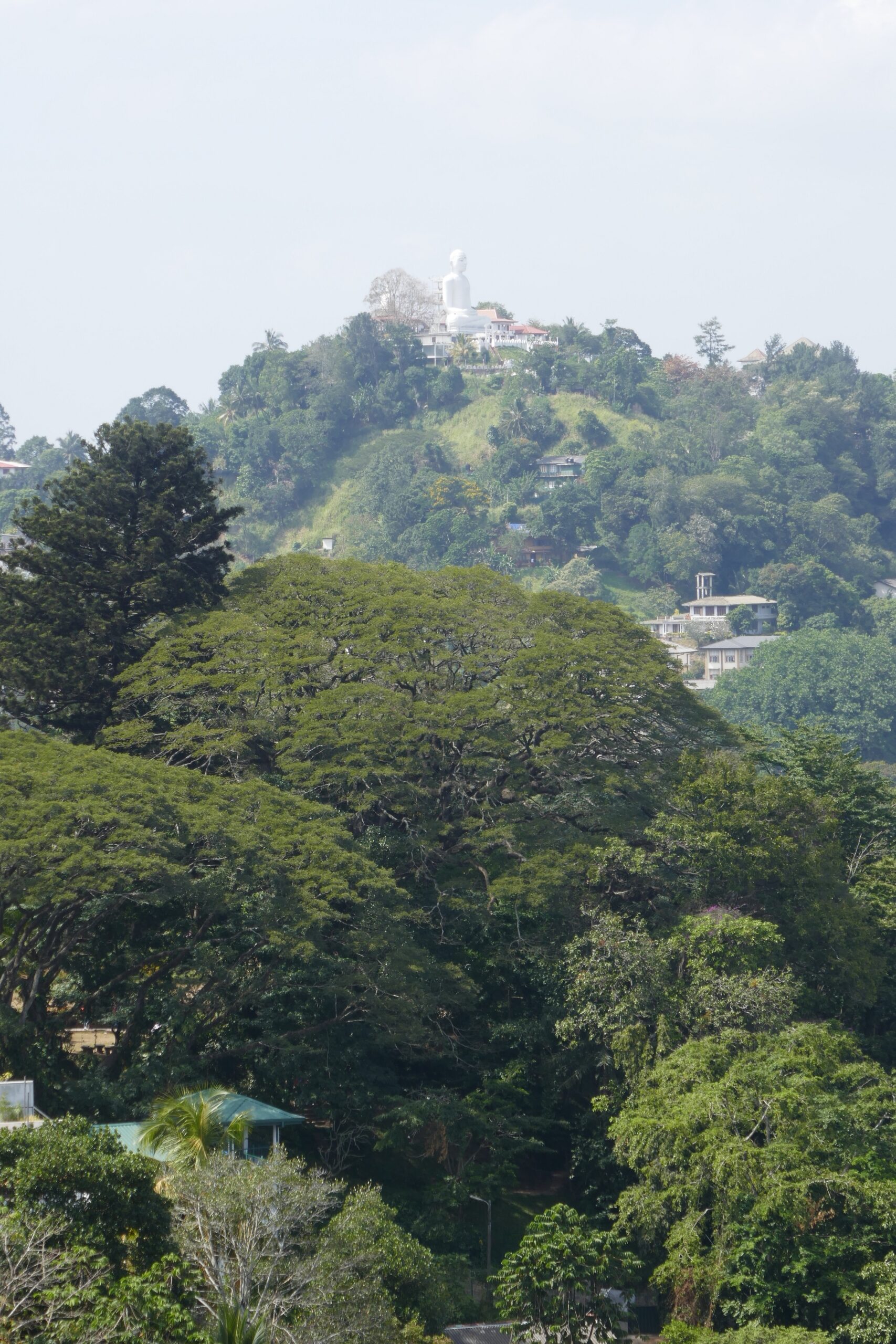
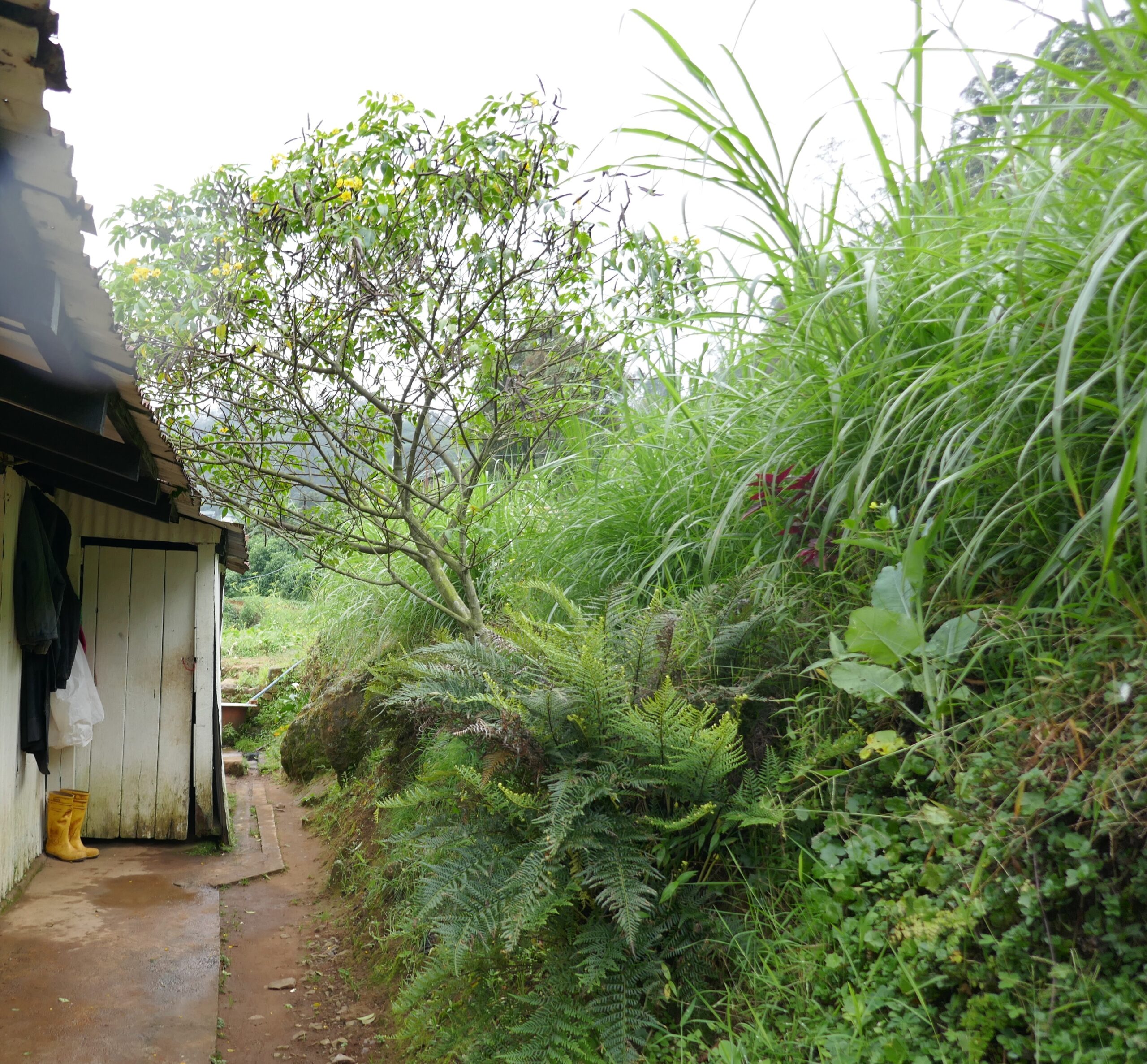
“My first visit to Sri Lanka was at the end of the rainy season in 2016. We had a tour of the island, and I was very impressed with the luxurious vegetation and ferns of the central, mountainous part. Consequently, my partner and I returned in the winters of the following three years using Kandy as a base and travelling out for short stays in Nuwara Elia, Ella and Bentota. The last visit was immediately before the pandemic in January 2020. Sri Lanka has more than 350 fern species and one of the highest proportions of land devoted to National Park status in the world. The island has a good infrastructure, excellent hotels and is welcoming and friendly towards tourists.
My interest in ferns began in the mid-2000’s, and the first that I grew from spore was Tectaria coadunata, which I had collected in India. It was this that prompted me to join the BPS in the hope that I would learn how to look after these sporlings. The Society widened my interest in Pteridology, but I remained particularly keen on tropical ferns. I have continued to grow these from spores and, more recently, from imported plants. Two years ago, Matthew Reeve and I set up the BPS Indoor and Tropical Fern Group which now has around 130 members. I have visited India and Sri Lanka many times and, on these trips, have tried to do some amateur ferning, particularly in Sikkim, Kerala and Sri Lanka. I also have an interest in old fern books, especially those relating to the Indian Subcontinent.”
This Zoom lecture is a free benefit for members of the Hardy Fern Foundation and the British Pteridological Society.