Affiliated Gardens
The Hardy Fern Foundation currently has 21 affiliate gardens throughout the United States and Canada. These are in essence test gardens, where a variety of ferns are evaluated yearly to obtain accurate hardiness information and garden worthiness under varying climatic conditions. The HFF supplies ferns to these gardens free of charge in exchange for these yearly evaluations. The Hardy Fern Foundation’s main display garden is located at the Rhododendron Species Garden in Federal Way, Washington.
If you are a public garden with a fern collection and would like to participate in our program, contact us at hff@rhodygarden.org.
Bainbridge Island Library
http://www.krl.org/bainbridge-island
1270 Madison Ave. N., Bainbridge Island, WA 98110
206-842-4162
USDA Zone 8b
Bainbridge Island Library Display Garden Fern List (PDF)
Three gardens surround the library. Junkoh Harui and the Bainbridge Island Japanese American Community designed and built a magnificent Japanese garden on the west side of the library in 1998. The perennial gardens, beautiful in every season, were designed by nationally recognized garden writer Ann Lovejoy and are maintained by Ann and the “Friday Tidies” every Friday morning. On the NE side of the library, you’ll find the cool green fern garden, designed and maintained by John van den Meerendonk. The grounds were recognized by the American Library Association as the Best Library Garden in 2000.


Bartlett Arboretum & Gardens
http://www.bartlettarboretum.org
151 Brookdale Road Stamford, CT 06903
203-883-4052
USDA Zone 6b
Bartlett Arboretum & Gardens Fern List (PDF)
Nestled among the historic landscape of Southwestern New England, the Bartlett Arboretum & Gardens is a natural preserve like no other in this region. The property features 93 acres of irreplaceable open space, highlighting the best of what Connecticut’s native landscape has to offer: magnificent award-winning Champion trees, charming gardens, wildflower meadows, red maple wetlands and boardwalks, woodland walking trails, varied wildlife, and native habitats. A wonderful getaway from the hustle and bustle of daily life, we serve as a leading recreational and educational resource for area residents and visitors of all ages.
The Alice Smith Fern Allée is one of twelve distinct curated gardens at the Bartlett Arboretum & Gardens. Perennial borders, native shade and sun gardens, an herb garden, vegetable garden, tropical garden, cactus and orchid collections, a sensory garden, herbarium, and several exotic and native trees grace the property. The Alice Smith Fern Allée is an on-going project for University of Connecticut Extension Master Gardeners who volunteer at the Arboretum. At present, it contains approximately 120 varieties of ferns and fern allies that will survive the climatic conditions of Zone 6 with a stated objective to have as many of those plants as can be found. The garden was established in 2013 under an existing 200 foot allée of Juniperus virginiana. Since then, it has expanded four-fold with plans for further development. We have benefited from the guidance of Dr. John Mickel and Dr. Robbin Moran, noted New York Botanical Garden fern experts. Among the many varieties of ferns in the Allée, Arachniodes simplicior ‘Variegata’, Athyrium filix-femina ‘Frizelliae’, Selaginella kraussiana‘Aurea’, Myriopteris lanosa, and Dryopteris affinis ‘Cristata the King’.


Bellevue Botanical Garden
http://www.bellevuebotanical.org
12001 Main St., Bellevue, WA 98005
425-452-2750
USDA Zone 8b
Bellevue Botanical Garden Fern List (PDF)
The Bellevue Botanical Garden is an urban refuge, encompassing 53-acres of cultivated gardens, restored woodlands, and natural wetlands. The living collections showcase plants that thrive in the Pacific Northwest. Our demonstration of good garden design and horticulture techniques inspires visitors to create their own beautiful, healthy gardens. In the 1990’s Harriet and Cal Shorts, enthusiastic members of the Hardy Fern Foundation, donated $25,000 to create a fern collection at Bellevue Botanical Garden. 750 ferns are now planted in the garden associated with the Rhododendron Glen. Ferns here are intended to introduce the public to a variety of ferns suitable for NW gardens.


Birmingham Botanical Gardens
https://www.bbgardens.org
2612 Lane Park Road, Birmingham, AL 35223
205-414-3950
USDA Zone 8a
Birmingham Botanical Gardens Fern Inventory (PDF)
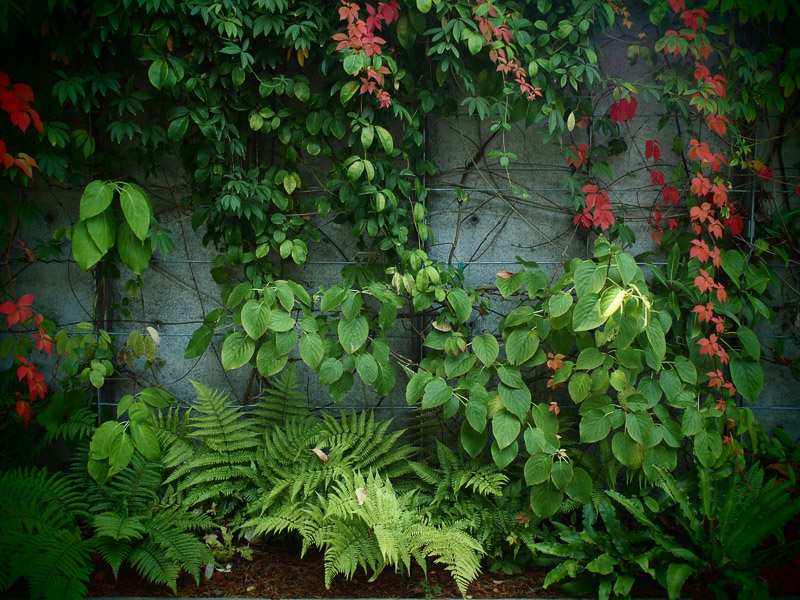
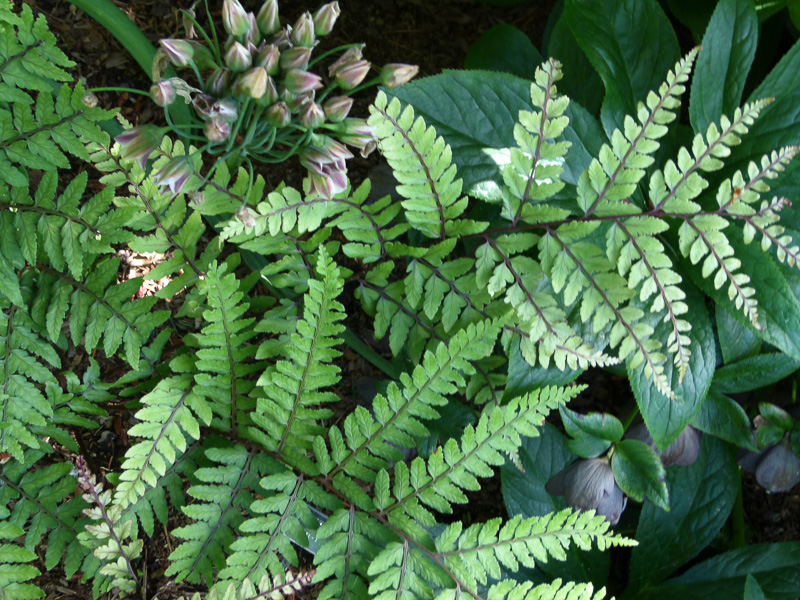
Birmingham Botanical Gardens is Alabama’s largest living museum with more than 12,000 different plants in its living collections. The Gardens’ 67.5 acres contains 25+ unique gardens, 30+ works of original outdoor sculpture and miles of serene paths. The Gardens features the largest public horticulture library in the U.S., conservatories, a wildflower garden, two rose gardens, the Southern Living garden, and Japanese Gardens with a traditionally crafted tea house. Education programs run year round and over 10,000 school children enjoy free sciencecurriculum based field trips annually. Birmingham Botanical Gardens, the most visited free attraction in Alabama, is open daily, offering free admission to more than 350,000 yearly visitors.

Cornell Botanic Gardens
https://cornellbotanicgardens.org
124 Comstock Knoll Drive, Ithaca, New York, 14850
607-255-2400
USDA Zone 5a-5b
Cornell Botanic Gardens Fern List (PDF)
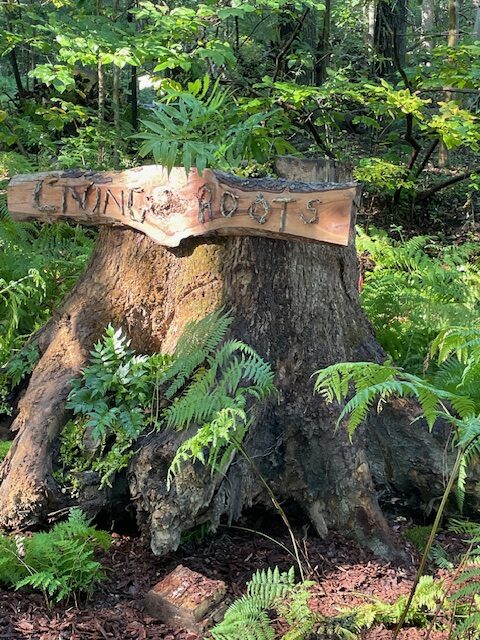
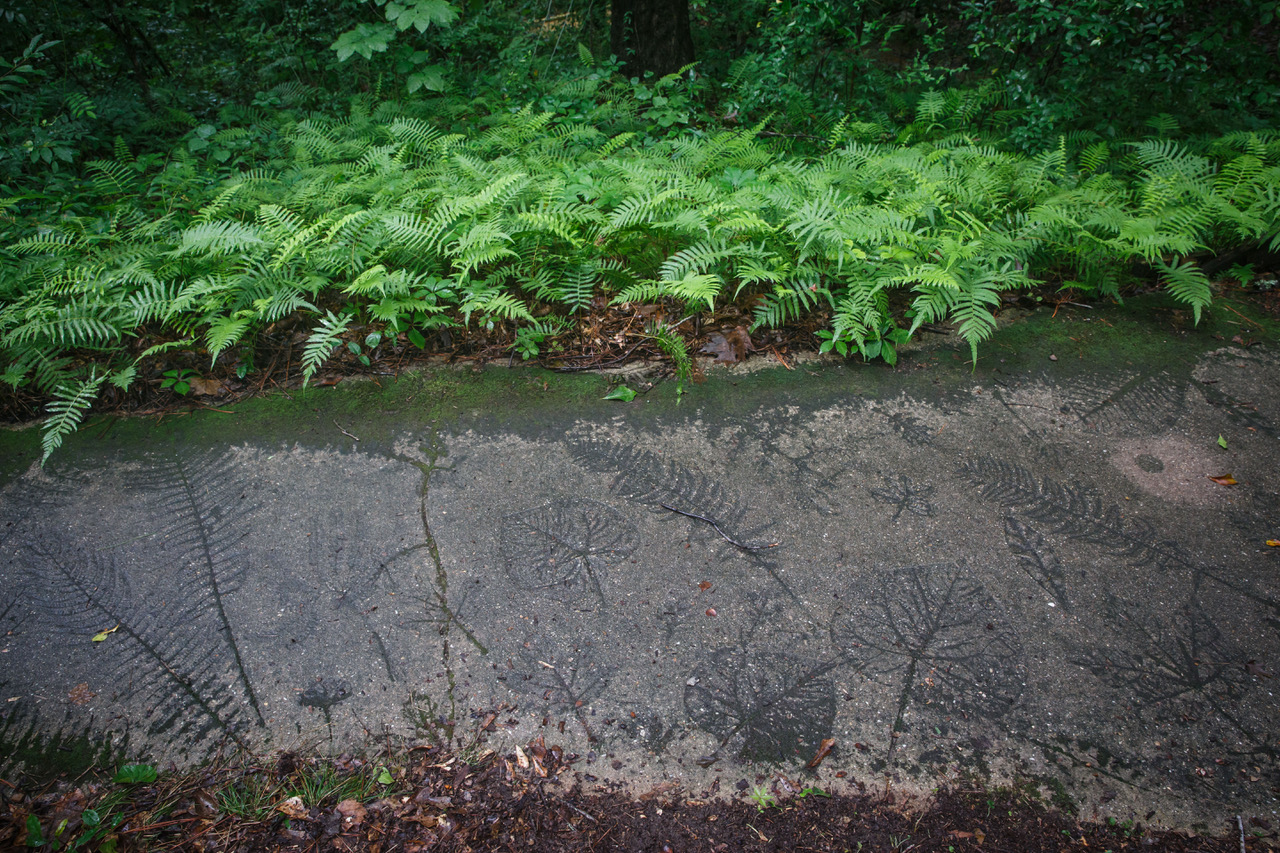
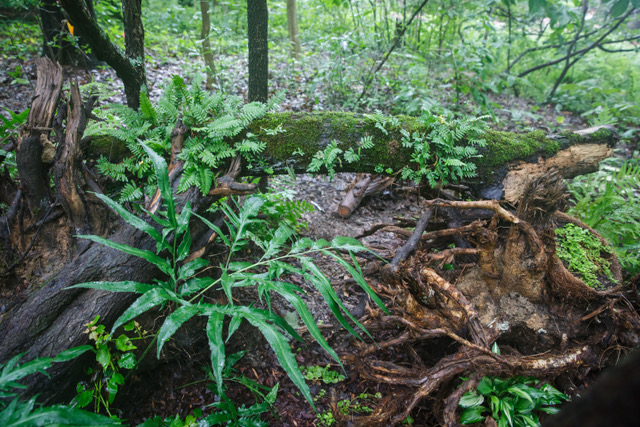
Cornell Botanic Gardens oversees three distinct areas: cultivated gardens; arboretum; and natural areas. Together these comprise one-third of the Ithaca, New York, campus, and with off-campus natural areas, a total of 3,600 acres.Our mission is to inspire people – through cultivation, conservation, and education – to understand, appreciate, and nurture plants and the cultures they sustain.These three pillars are depicted in our logo as a weave to represent our vision: a world in which the interdependence of biological and cultural diversity is respected, sustained, and celebrated. They also serve to remind us of the interrelationships of our physical spaces – gardens, natural areas, and an arboretum. The 35-acre cultivated gardens include specialty gardens of herbs, flowers, vegetables, perennials, ornamental grasses, groundcovers, and rhododendrons, among others.The 100-acre F.R. Newman Arboretum is home to collections of nut trees, crabapples, maples, urban trees, and shrubs. The arboretum offers a pastoral setting and panoramic views, amidst a living museum of trees, shrubs, and woodland plants.The most beloved natural areas on and around the Cornell campus are stewarded by the Cornell Botanic Gardens. These include the Cascadilla and Fall Creek Gorges, Beebe Lake, and an additional 30 miles of public trails. In addition to maintaining these treasures for the enjoyment of the public, the Botanic Gardens protects rare and endangered native plants and collaborates with scientists in many domains of research and conservancy.


Dallas Arboretum and Botanical Garden
https://www.dallasarboretum.org
8525 Garland Road, Dallas, Texas 75218
(214) 515-6615
USDA Zone 8a
Dallas Arboretum and Botanical Garden (PDF)
The Dallas Arboretum is a nationally acclaimed 66 acre display garden featuring breathtaking floral displays all year long. The mission of the Dallas Arboretum and Botanical Garden is to build and maintain a public venue that promotes the art, enjoyment, and knowledge of horticulture, while providing opportunities for education and research. An extensive collection of ferns can be found throughout the garden but the majority are located in the Palmer Fern Dell, designed by Naud Burnett II.


Denver Botanic Gardens
https://www.botanicgardens.org
1007 York Street, Denver, CO 80206
720-865-3500
USDA Zone 5b
Denver Botanic Gardens Fern List (PDF)
The mission of Denver Botanic Gardens is to connect people with plants, especially plants from the Rocky Mountain region and similar regions around the world. Denver Botanic Gardens strives to entertain and delight while spreading the collective wisdom of the gardens through outreach, collaboration and education. Our conservation programs play a major role in saving species and protecting natural habitats for future generations.


Dixon Gallery and Gardens
https://www.dixon.org
4339 Park Avenue Memphis, TN 38117
901-761-5250
USDA Zone 7a-7b
Dixon Gallery and Gardens Fern List (PDF)
Founded in 1976 by Hugo and Margaret Dixon, the Dixon Gallery and Gardens is a fine art museum and public garden distinguished by its diverse and innovative programs in the arts and horticulture. The 17 acre grounds feature a working cutting garden, woodland garden, formal gardens, and a sensory garden set to open in 2019. The Dixon is continually expanding its collections of ferns, boxwoods, native azaleas, and camellias. The fern collection is highlighted along the Terrace Walk, which lies between our woodland gardens and the sweeping South Lawn. Our formal cutting garden which produces flowers used for floral designs inside the museum nearly year-round is unmatched in beauty, size and productivity by any other public garden in the U.S. Spring is full of color and excitement with our annual display of 100,000 tulips. The Dixon is proud to be a part of the Hardy Fern Foundation Affiliate Garden Program as we work together for excellence in horticulture and education.

Fernwood Botanical Garden
https://www.fernwoodbotanical.org
13988 Range Line Road, Niles, Michigan 49120
269-695-6491
USDA Zone 6a
Fernwood Botanical Garden Fern List (PDF)
NEW in 2024!
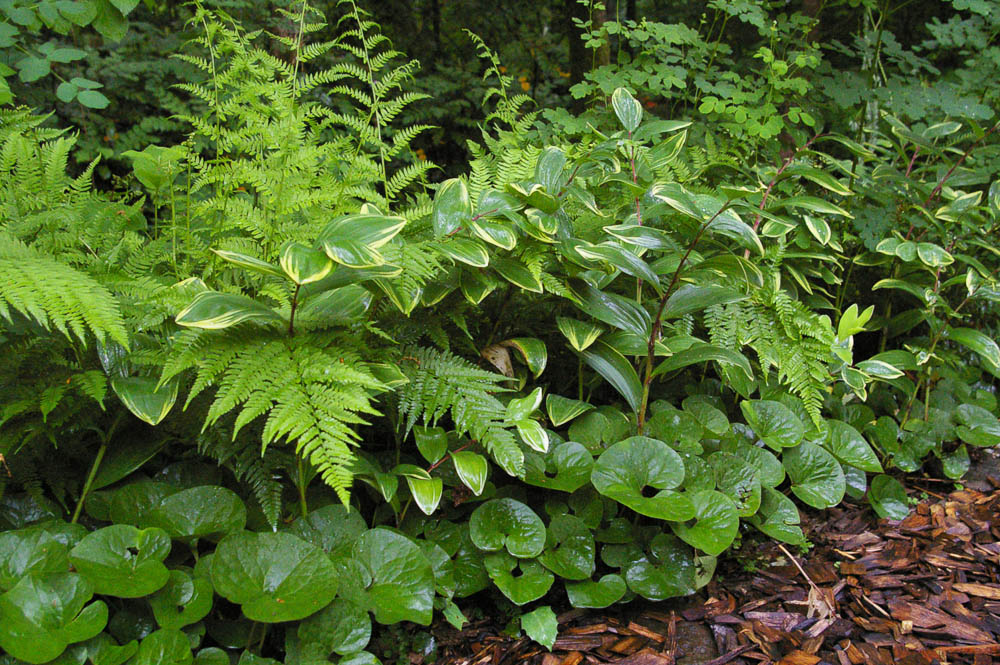
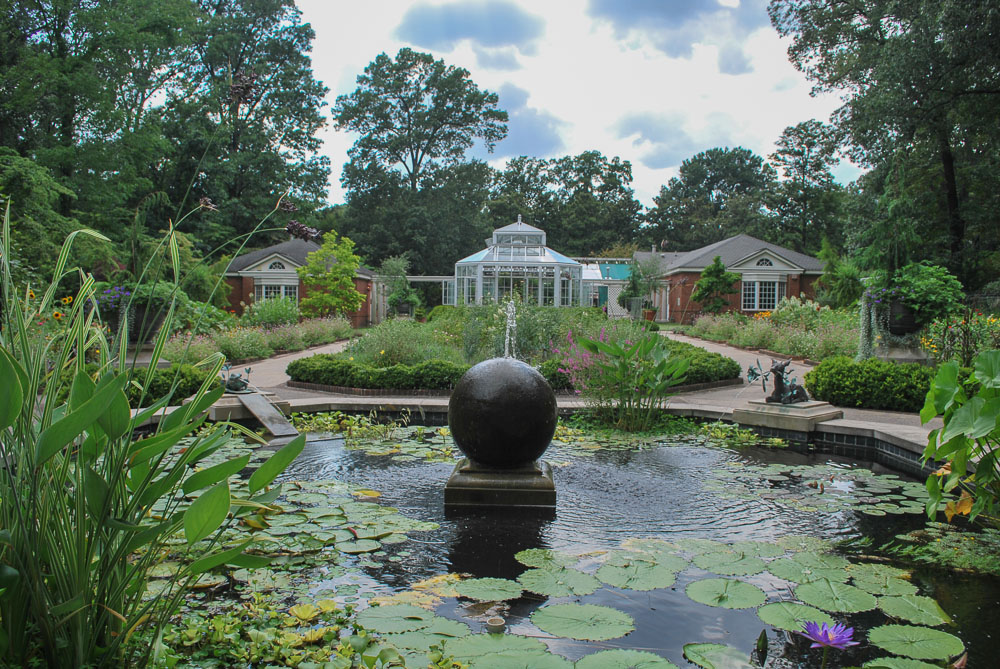
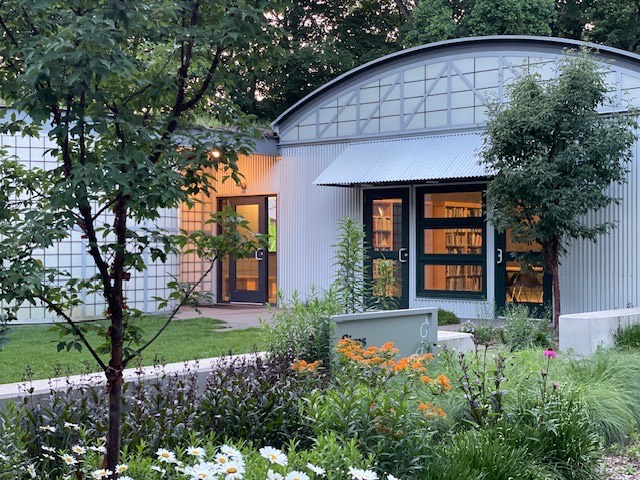
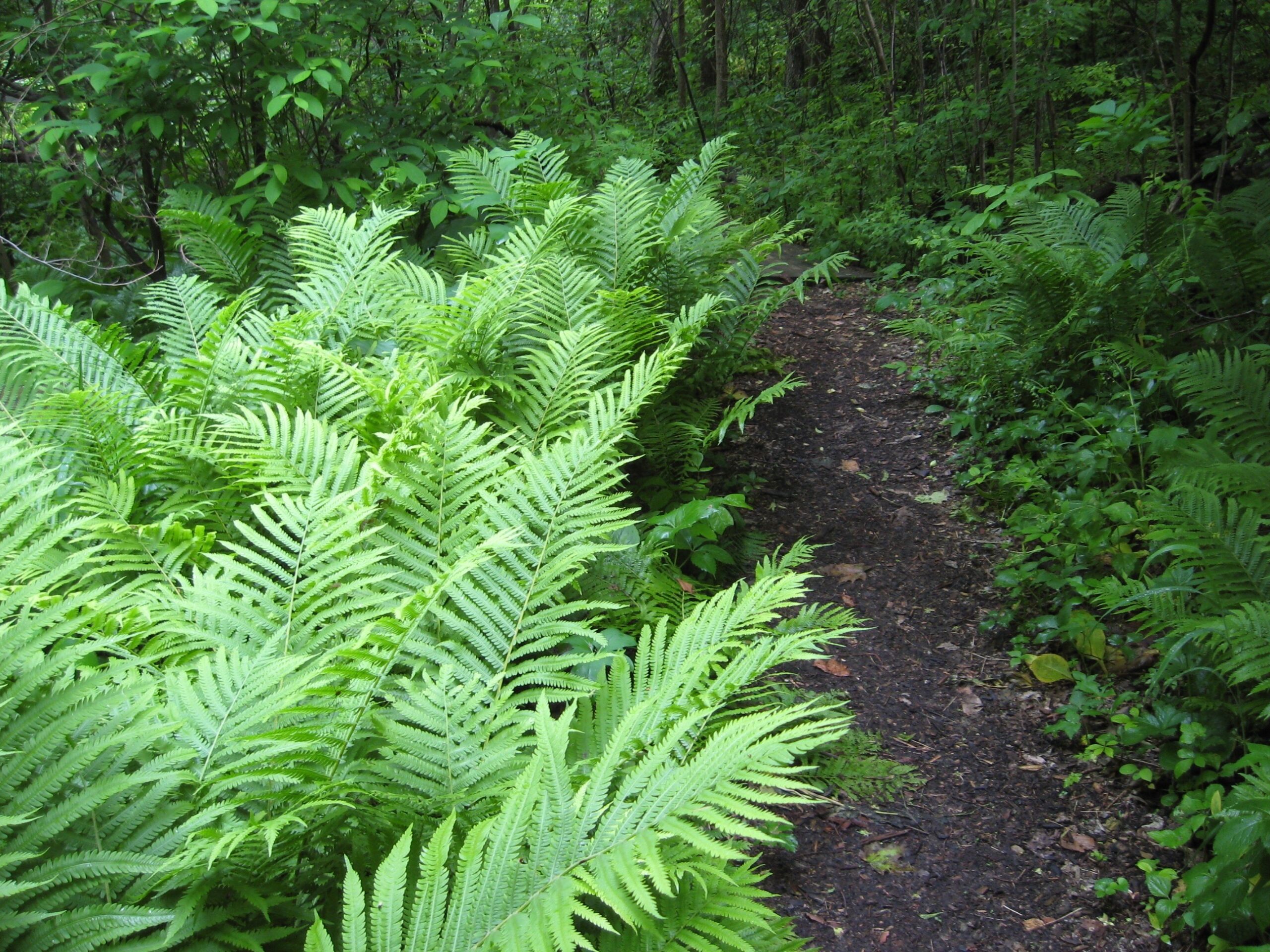
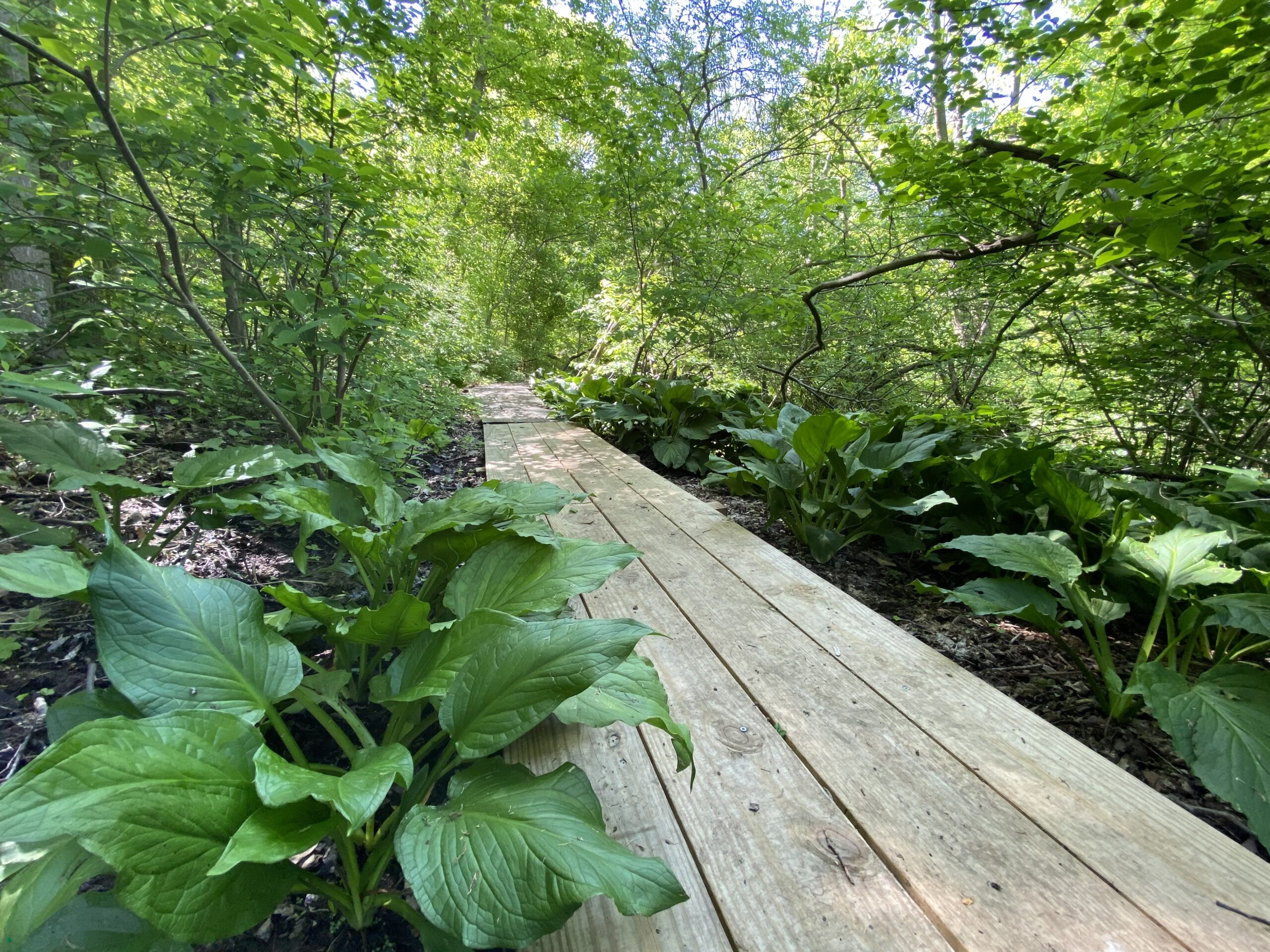
Established in 1964, Fernwood is a favorite of all who love nature—flora and fauna. The Garden is situated on the St. Joseph River in Niles, Michigan, near Buchanan in picturesque Berrien County and only minutes from South Bend, Indiana, and Southwestern Michigan’s famous wine country and shore communities. Fernwood comprises 105 acres and protects at least ten ecosystems and is a birder’s paradise. Visitors may enjoy natural areas with miles of walking and hiking trails, a reconstructed prairie, an arboretum, and cultivated public gardens that include an herb garden, Japanese garden, perennial border, rain garden, railway garden, nature adventure garden, hardy fern collection, and other special collections and gardens. Fernwood follows its mission to enrich people’s lives by awakening and deepening their appreciation of nature. The garden is open year-round. For more information, please visit fernwoodbotanical.org.
Ganna Walska Lotusland
http://www.lotusland.org
695 Ashley Rd, Santa Barbara, CA 93108
805-969-3767
USDA Zone 10a
Lotusland Fern List (PDF)
Lotusland is a globally reknowned (and locally treasured) 37-acre estate and botanic garden situated in the foothills of Montecito, California. It is home to more than 3,000 different plants from around the world. The original Fern Garden was designed by William Paylen in 1968 around Madame Walska’s collection of Australian Tree Ferns (Sphaeropteris cooperi). It features giant staghorn ferns (Platycerium) hanging from the branches of coast live oak trees (Quercus agrifolia) as well as different types of tree ferns under-planted with many other fern species and Begonia species and cultivars.



Heronswood Garden
https://heronswoodgarden.org
7530 NE 288th Street, Kingston, WA 98346
360-297-9620
USDA Zone 8b
Heronswood Fern List (PDF)
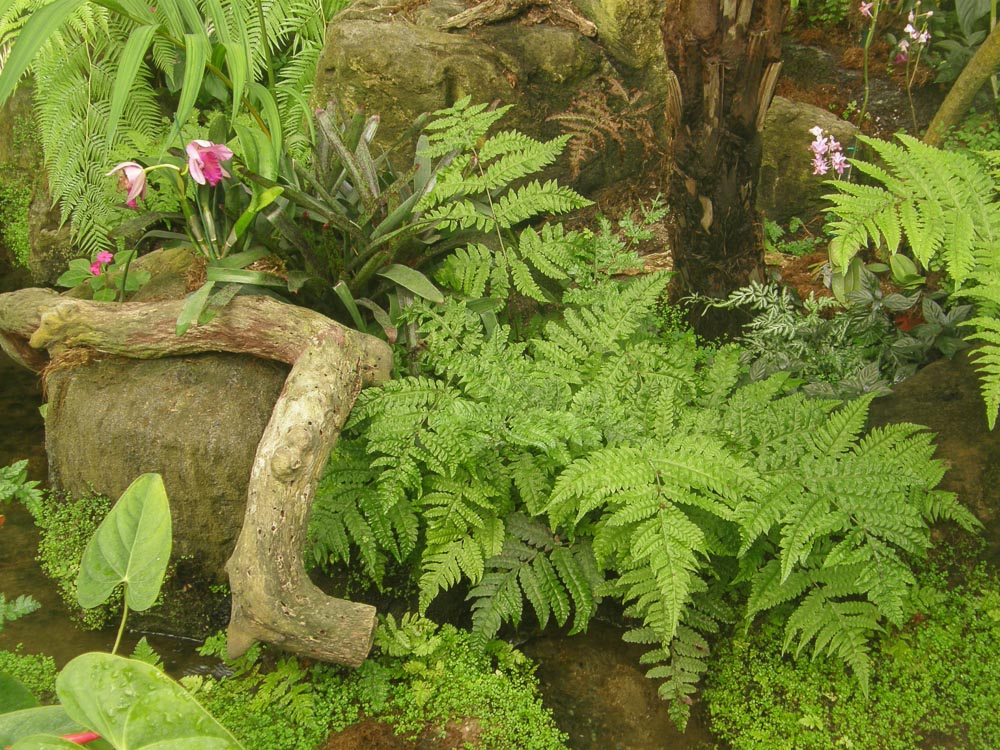
Heronswood Garden is a 15-acre botanical garden situated among the great forests of the Pacific Northwest in Kingston, Washington. Established by renowned plantsman and explorer, Dan Hinkley in 1987, the garden was acquired by the Port Gamble S’Klallam Tribe in 2012. It is open to the public Wednesday-Sunday 10AM-3PM during the growing season. Home to a collection of around 6,000 species of often rare and rarely seen plants, many introduced by Hinkley from his numerous overseas expeditions, the collection continues to grow through the efforts of Dr. Ross Bayton, Dr. Patrick McMillan and the continued participation of director emeritus Dan Hinkley. Heronswood consists of an expansive woodland garden, formal gardens, a rock garden, the Traveler’s Garden (a natural community garden) as well as a fern-focused stumpery—the Rennaissance Garden. Greated amongst a mature stand of Western Red Cedar, the Renaissance Garden is designed to reflect the resiliency of life through change and houses much of Heronswood’s fern collection with over 120 species, varieties and cultivars. A new rock garden has allowed us to expand our collection of dryland ferns and this exhibit is slated for further expansion. The process of discovery and horticultural experimentation is alive and well at Heronswood and our fern collection continues to expand.


Inniswood Metro Gardens
https://www.inniswood.org
940 S. Hempstead Road Westerville, OH 43081
614-895-6216
USDA Zone 6a
Inniswood Metro Gardens Fern List (PDF)
Situated on 123 acres, Inniswood Metro Gardens is a continual source of inspiration for central Ohioans of all ages. A natural woodland is home to native wildflowers, wildlife and waterways which provides a majestic backdrop to the beautifully landscaped gardens and lawns. A test site of the Hardy Fern foundation, featuring a collection of rare and unusual hardy ferns.


Juniper Level Botanic Garden
https://www.juniperlevelbotanicgarden.org
9241 Sauls Road, Raleigh, NC 27603
919-772-4794
USDA Zone Historically 7b, recently revised to 8a
NEW in 2024!
Juniper Level Botanic Garden is an 8-acre educational, research, and display garden filled with more than 27,000 taxa of plants, including native perennials, exotic plants, rare delights, and an array of incredible and unusual specimen trees and shrubs you won’t see anywhere else in the world.
It is a curated collection of plants with database records of all plants that have ever been in the collection with a wide range of pertinent information for each taxon. The plants are labeled in the garden.
The collection of winter-hardy ferns and fern allies is a significant part of the garden display. Ferns are a huge group found worldwide, consisting of numerous genera. We currently have ferns and fern allies in 24 families. New taxonomic works are revising genera and relationships at an unparalleled rate. We currently maintain the world’s most diverse living fern collection, thanks to our botanical travels around the world.
The fern collection consists of 82 genera, 370 species (including subspecies and varieties), 29 undetermined, 30 nothospecies; and 936 clones. Ferns can be viewed in a wide range of cultural conditions in the display gardens from full shade to full sun, from wet sites to dry. A significant number of ferns are evergreen so even a winter visit would be worthwhile. The display collection is the source of spores and other propagules for production for Plant Delights Nursery, which in turn supports Juniper Level Botanic Garden. The gardens are maintained by a core of skilled gardeners and volunteers and are designed to be aesthetically pleasing.
Lakewold Gardens
https://lakewoldgardens.org
12317 Gravelly Lake Drive Southwest, Lakewood, WA 98499
253-584-4106
USDA Zone 8b
Return in 2025!
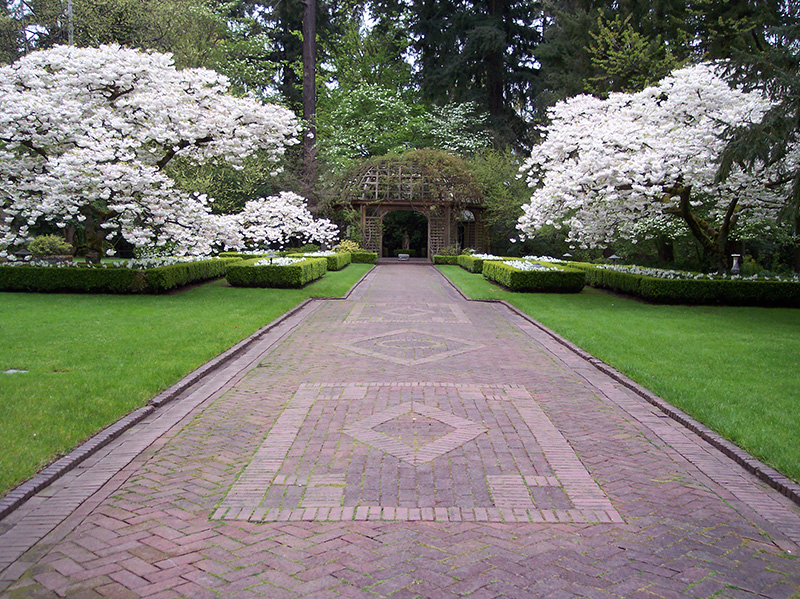
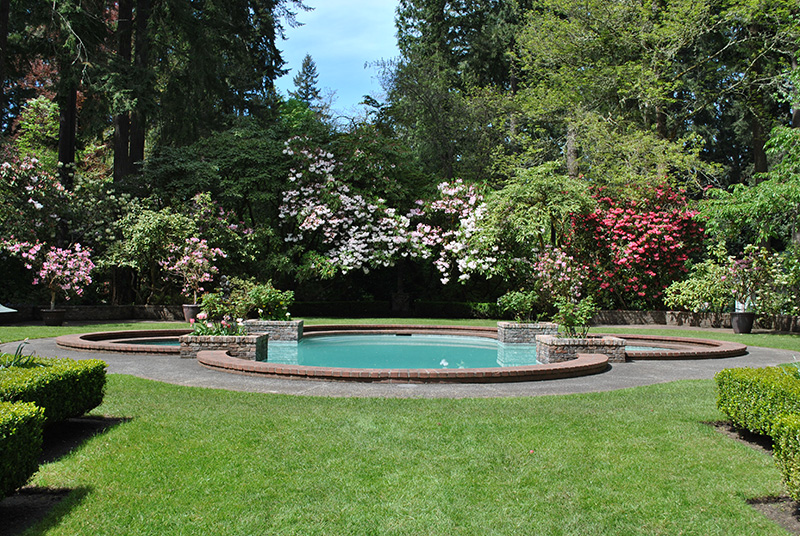
Located in Lakewood, Washington, Lakewold offers landscape architecture by Thomas Church surrounded by rare and native plants, State Champion trees, over 900 rhododendrons, 30 Japanese maples and stunning statuary. A Washington State historic landmark, Lakewold’s Georgian-style mansion and historic architecture complete the 10 acres where visitors can step back in time to an elegant past or enjoy a relaxing moment to contemplate the future.
Lewis Ginter Botanical Garden
http://www.lewisginter.org
1800 Lakeside Ave., Richmond, VA 23228
804-262-9887
USDA Zone 7a
Lewis Ginter Botanical Garden Fern List (PDF)
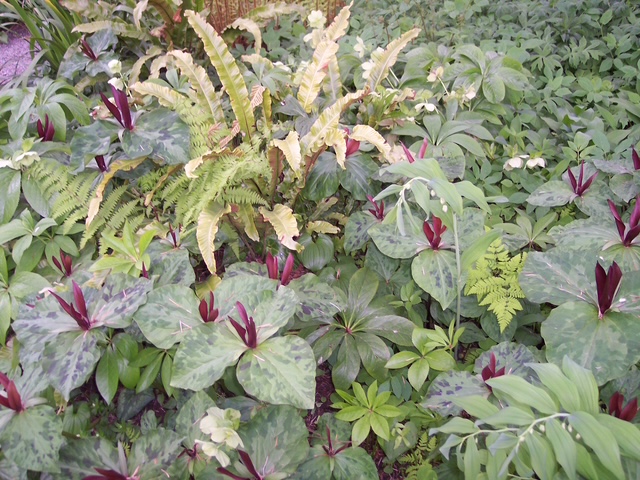
Lewis Ginter Botanical Garden connects people through plants to improve communities. The award-winning Garden is located on 50 landscaped acres in Richmond, VA, and includes more than a dozen themed gardens, a Conservatory, dining and shopping. A highlight is the 3-acre Flagler Garden which includes the Wildside Walk and many ferns. Lewis Ginter Botanical Garden invites, welcomes and celebrates diversity in all its forms and strives to extend beyond traditional boundaries to have a positive impact and to enrich lives.


Lyndhurst Fern Garden
https://lyndhurst.org
635 South Broadway, Tarrytown, NY 10591
914-631-4481
USDA Zone 7a
Lyndhurst Fern List (PDF)
NEW in 2024!
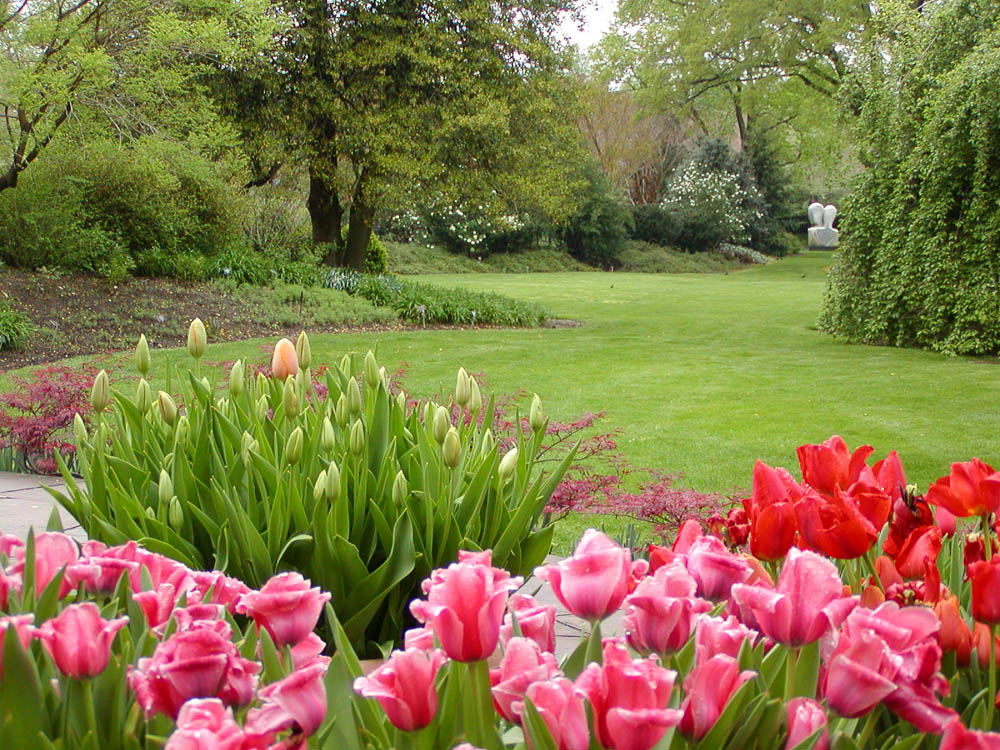
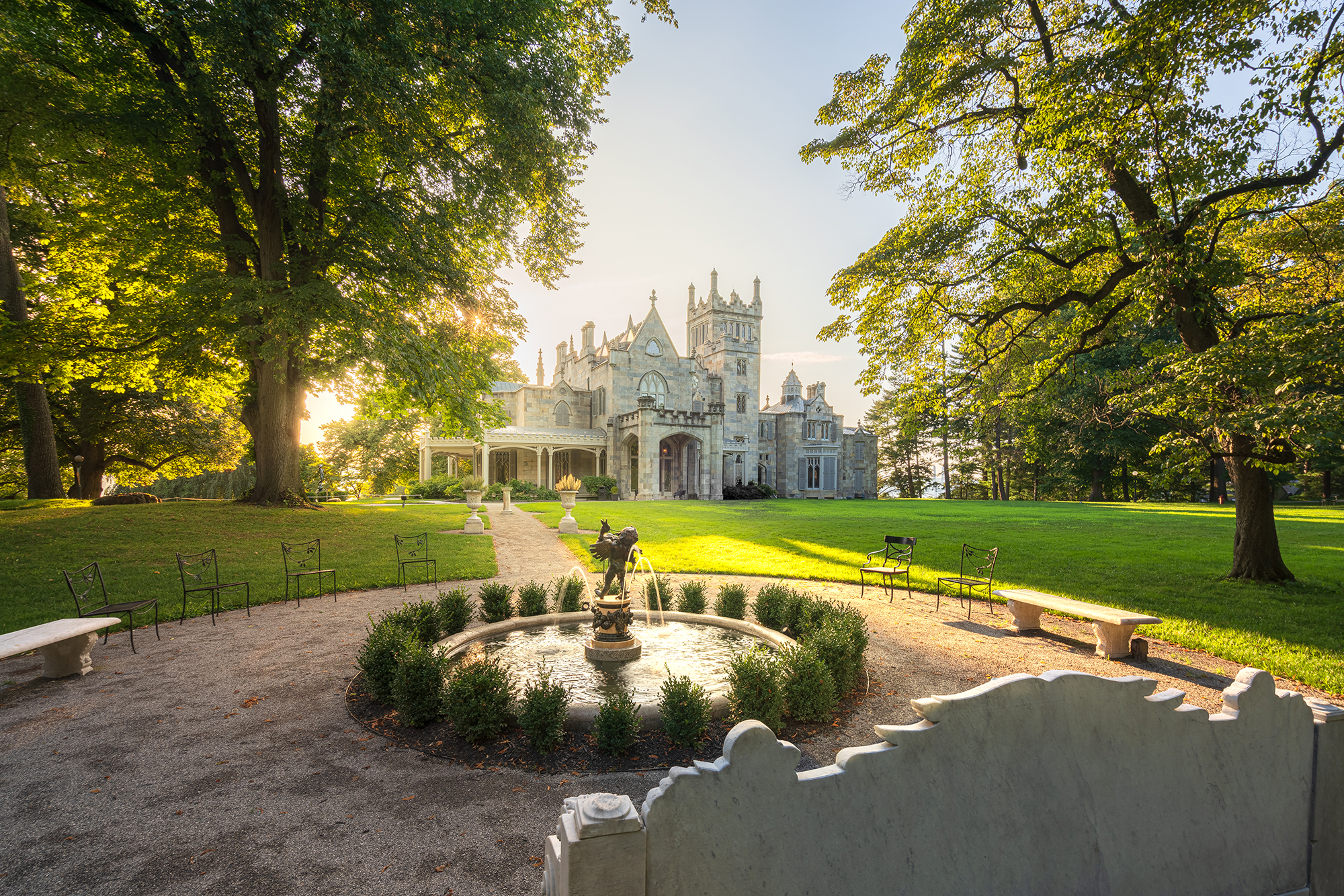
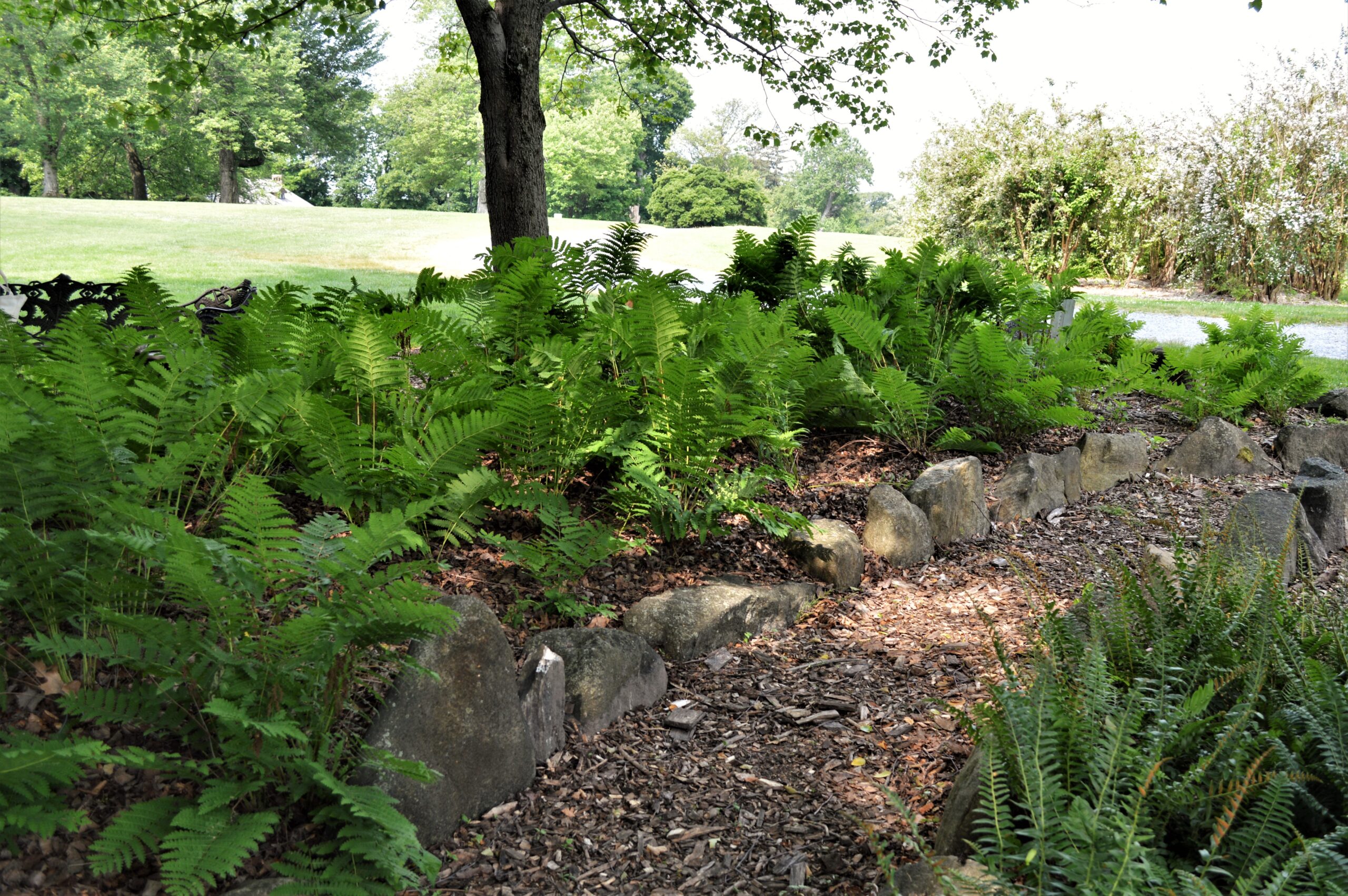
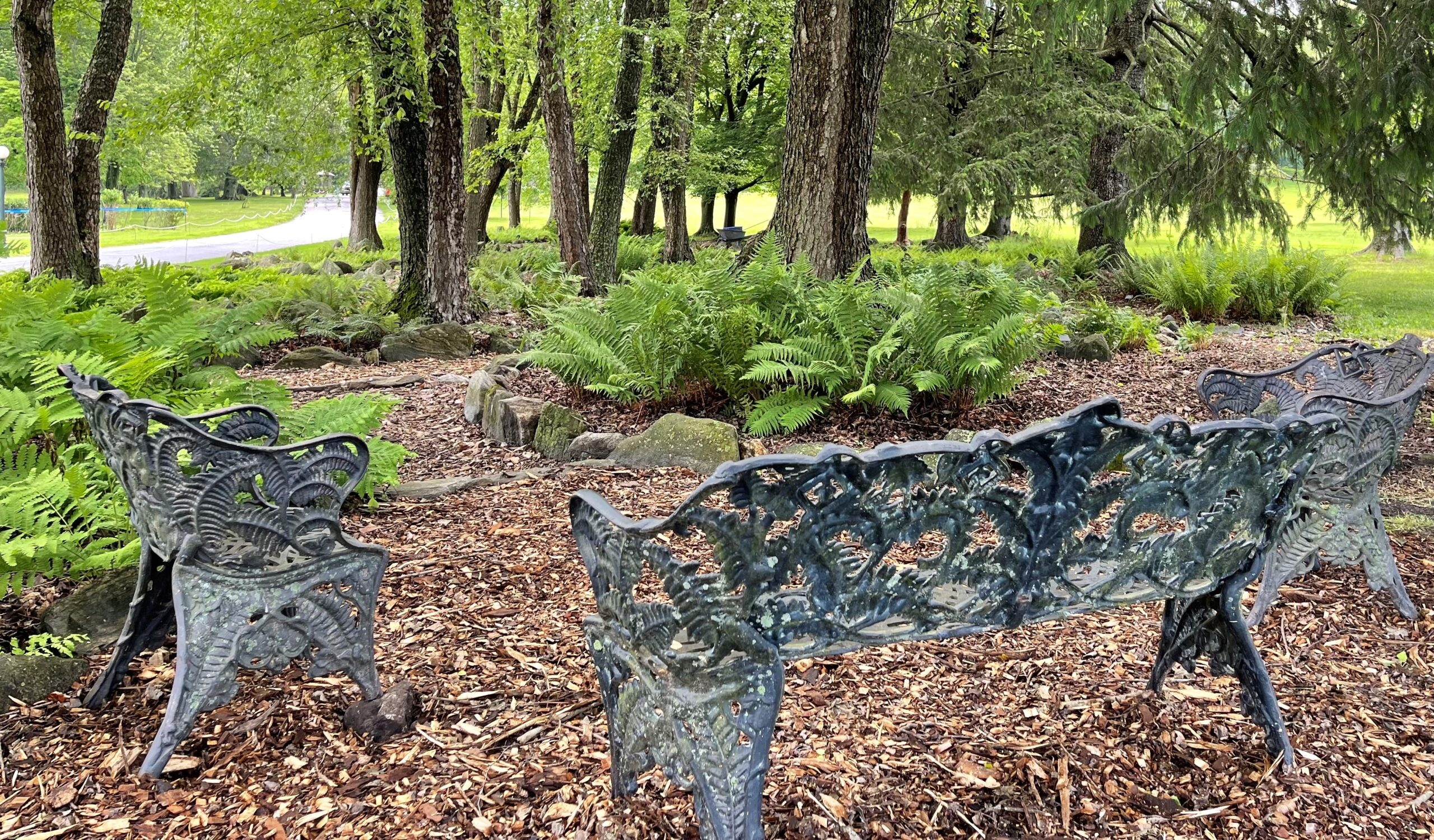
This picturesque Victorian rockery lies in the shade of a Norway spruce and river birch grove at the entrance to Lyndhurst, a 67-acre estate and 19th century Gothic Revival mansion on the banks of the Hudson River. Owned by the National Trust for Historic Preservation, Lyndhurst is a National Historic Landmark property that reflects the evolution and development of landscape tastes in the 19th and 20th centuries. It is enjoyed by over 90,000 visitors annually. Each of its owners contributed to the beautification of the landscape, including rail baron Jay Gould and his daughter Helen Gould Shepard. Helen’s contributions, from her father’s death in 1892 to her own passing in 1938, included flowering shrub borders, a rose garden, and may have included the fern garden.

Powell Gardens
https://powellgardens.org/
1609 NW US Hwy 50, Kingsville, MO 64061
816-697-2600
USDA Zone 6a
Powell Gardens Fern List (PDF)
Powell Gardens is located just east of Kansas City, Missouri. With 175 acres open to the public, Powell Gardens offers display gardens, an edible landscape, native plantings, interesting architecture, meadows, nature trail, and extensive plant collections. A new feature by the Visitor Center, the stumpery garden is home to a collection of ferns for Midwest gardens and other shade loving plants. The two-acre Woodland and Stream garden features a winding path that overlooks a pool and stream draped with ferns and heucheras. Log planters in this garden feature ferns and tropical plants from a collections house. Our mission: to be an experience that embraces the Midwest’s spirit of place and inspires an appreciation for the importance of plants and to celebrate the four seasons.


Rhododendron Species Botanical Garden
https://rhodygarden.org/
2525 S. 336th St., Federal Way, WA 98003
253-838-4646
USDA Zone 8b
RSBG and Stumpery Fern List (PDF)
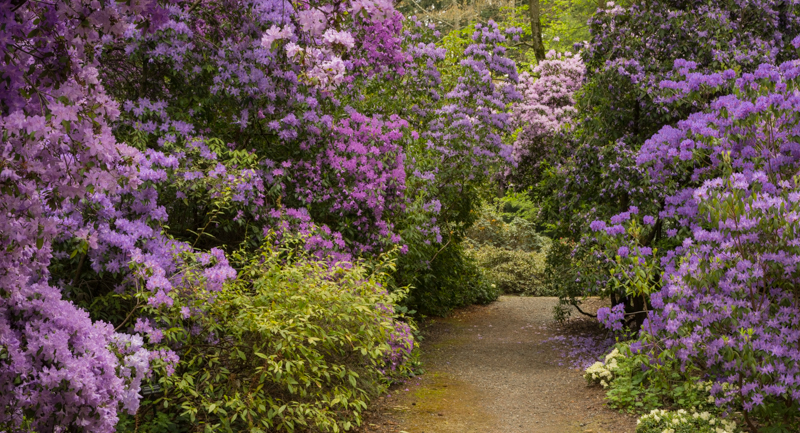
The Rhododendron Species Foundation & Botanical Garden is a non-profit membership organization dedicated to the conservation, public display, and distribution of Rhododendron species. Home to one of the largest collections of species rhododendrons in the world, the garden displays over 700 of the more than 1,000 species found in the wilds of North America, Europe, and Asia, as well as the tropical regions of southeast Asia and northern Australia. Conservation has come to be of primary importance in recent years with the destruction of Rhododendron habitat in many areas of the world.


Rotary Botanical Gardens
http://www.rotarybotanicalgardens.org
1455 Palmer Dr., Janesville, WI 53545
608-752-3885
USDA Zone 5b
Rotary Botanical Gardens Fern List (PDF)
Located in Janesville, Wisconsin, Rotary Botanical Gardens is an award winning 20-acre, non-profit botanic showcase with over 24 different garden styles and 4,000 varieties of plants. The Gardens is home to many dramatic and internationally themed gardens, including Japanese, Scottish, French Formal, Italian and English Cottage Gardens. Visitors to the Gardens may enjoy guided garden tours, shopping local artisans’ works in the Cottage Garden Gallery Gift Shop, and a variety of educational classes and programs available for adults, youth and families. The Fern & Moss Garden (1/3 acre) was constructed in 2004 adjacent to the existing Japanese Garden. This garden has meandering streams, a waterfall, authentic Japanese resting structure (Ma-Chii’) and six raised beds for fern display. This garden also includes a moss “island” displaying native WI mosses. Over 250 taxa of ferns are scattered throughout these beds and are grouped by region of origin (Asia, North America and Europe). We continue to trial new ferns every year and have mapped and assessed earlier planted specimens. This garden is meant to be both aesthetic and educational as we continue to evaluate ferns for applicability and adaptability in our region.


UBC Botanical Garden
https://botanicalgarden.ubc.ca
6804 SW Marine Drive, Vancouver, BC Canada V6T 1Z4
604-822-4208
USDA Zone 8b
UBC Botanical Garden (PDF)
NEW in 2024!
UBC Botanical Garden is located on Point Grey, the westernmost tip of the city of Vancouver, BC, Canada. Proximity to the ocean and our mostly forested landscapes contribute to the mild, maritime climate (we are a cool Zone 8 garden). Established in 1916, UBC Botanical Garden is Canada’s oldest university botanical garden. Originally encompassing the whole of the UBC campus, the Botanical Garden was relocated to its present site in 1968, a twenty-hectare (fifty-acre) site at the southwestern edge of the campus, overlooking the Salish Sea. Today the Botanical Garden is a department in UBC’s Faculty of Science and includes an off-site research and propagation facility, and the Nitobe Memorial Garden, a traditional Japanese tea and stroll garden. The Botanical Garden includes a number of separate gardens and garden elements featuring approximately 7,700 living plant accessions, including more than 3,000 accessions derived from plants of documented wild provenance. Significant collections of rhododendrons, maples, hydrangeas, magnolias, climbers, ornamental cherries, mountain ash and whitebeams are on display. Both native and exotic ferns are significant elements in many of our garden spaces.
Whitehall House and Gardens - Ralph Archer Woodland Garden
http://www.historicwhitehall.org
3110 Lexington Rd., Louisville, KY 40206
502-897-2944
USDA Zone 6b
Whitehall House and Gardens - Ralph Archer Woodland Garden Fern List (PDF)
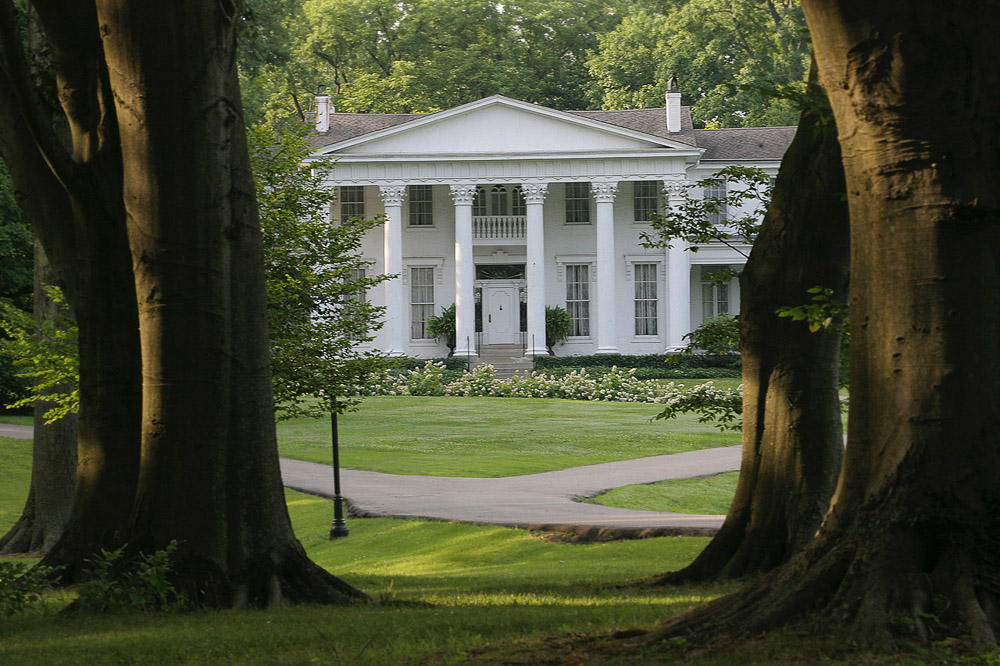
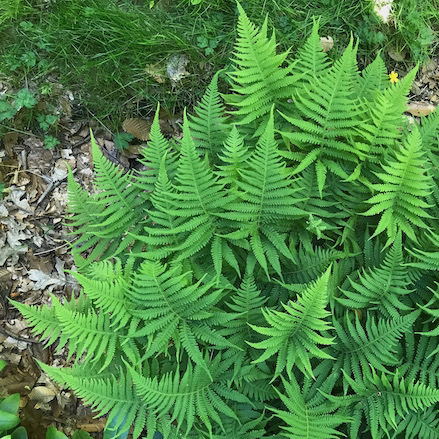
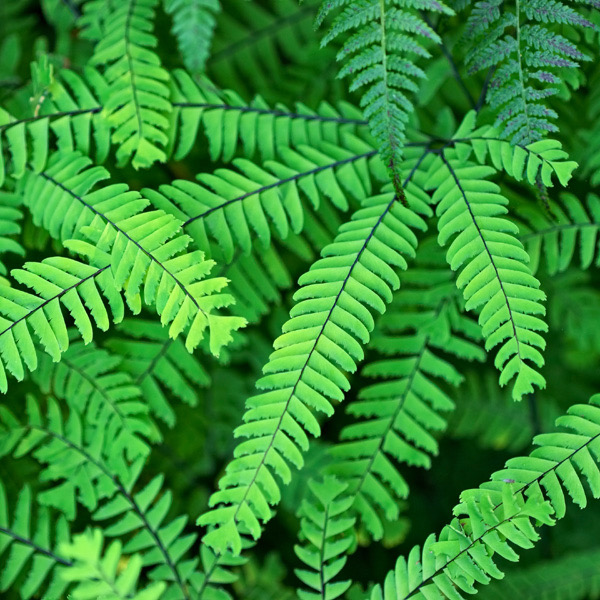
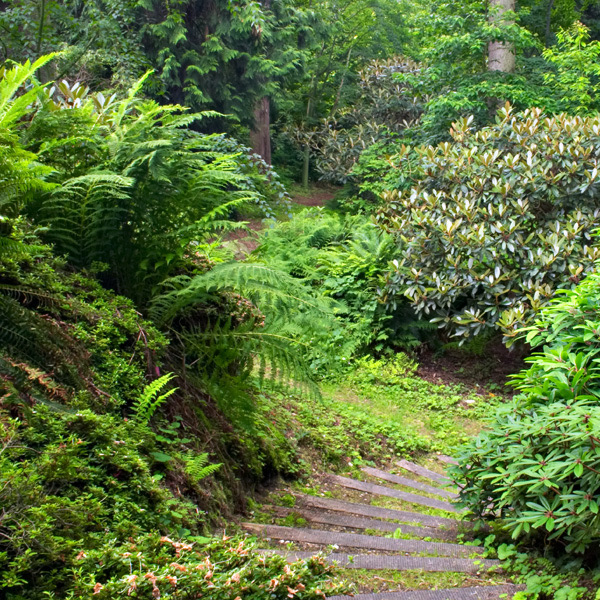
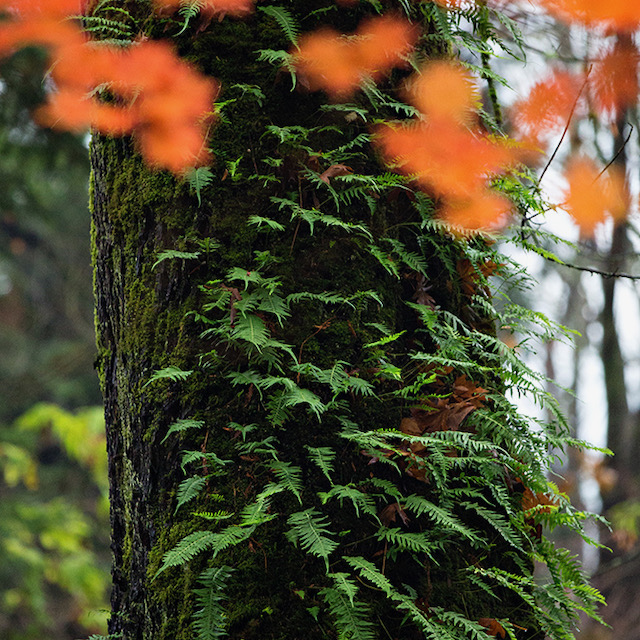
Whitehall House and Gardens, located in central Louisville, is owned by Louisville’s Historic Homes Foundation. The Ralph Archer Woodland Garden at Whitehall showcases an extensive collection of more than 330 hardy ferns.
The woodland garden is designed using a Victorian stumpery theme. Rot-resistant logs and stumps of osage orange, black locust, mulberry, and eastern red cedar are natural sculptures highlighting and contrasting with the luxuriousness of ferns and the delicate woodland companion plants.
The woodland garden dates back to 1998 when Ralph Archer, the area’s foremost fern expert, moved his own collection of ferns to Whitehall. Archer provided the inspiration and expertise to expand the garden into a regional jewel. This zone 6b garden was designated a Hardy Fern Foundation display garden in 2002.